
CCTV Signs
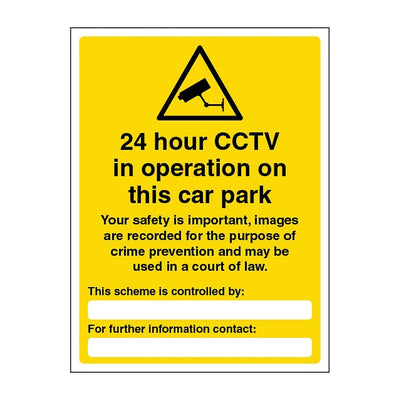
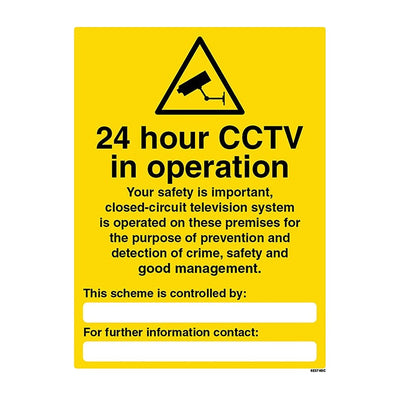
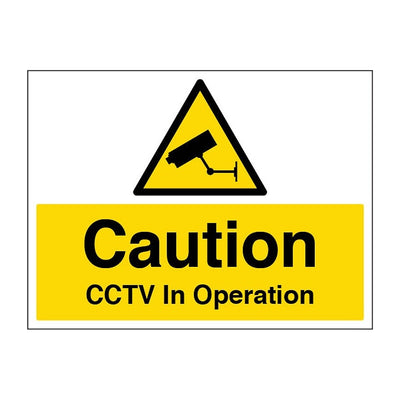
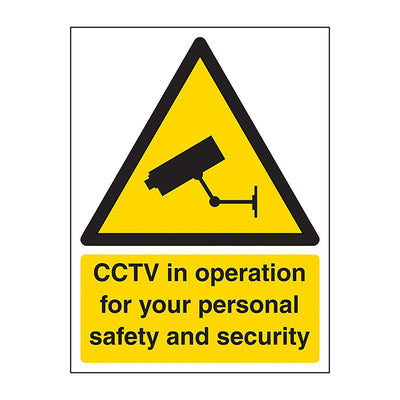
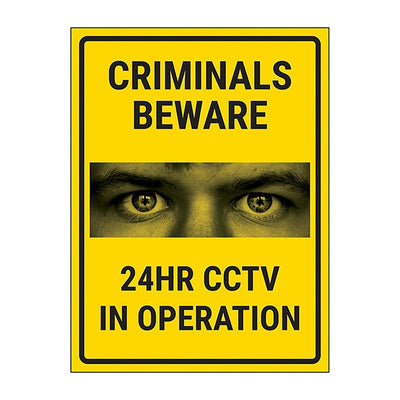
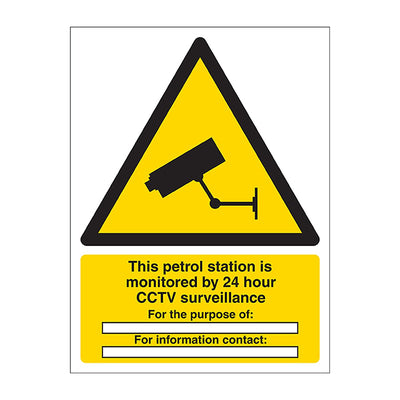
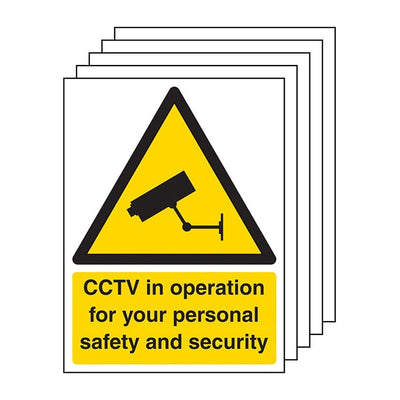
CCTV signs tell people that cameras are in use and, where relevant, why. This collection includes 24 hour CCTV in operation signs, car park CCTV signs, signs about images being monitored, personal safety notices, video recording signs, and...
Read the buying guide


£2.89 ex VAT

£2.78 ex VAT

£2.89 ex VAT

£2.89 ex VAT

£2.04 ex VAT
£2.89 ex VAT

£2.89 ex VAT

£2.89 ex VAT

£3.02 ex VAT

£3.02 ex VAT

£2.46 ex VAT

£2.89 ex VAT
£7.63 ex VAT

£2.46 ex VAT

£2.89 ex VAT

£2.35 ex VAT

£1.24 ex VAT
£2.89 ex VAT

£2.89 ex VAT

£2.89 ex VAT

£7.23 ex VAT

£2.46 ex VAT

£2.04 ex VAT

£2.89 ex VAT

£2.46 ex VAT

£2.89 ex VAT
£2.04 ex VAT

£2.89 ex VAT

£2.89 ex VAT

£2.89 ex VAT
£2.89 ex VAT

£2.89 ex VAT
£2.89 ex VAT

£2.89 ex VAT
£2.89 ex VAT
£2.89 ex VAT

£2.89 ex VAT

£2.89 ex VAT

£2.89 ex VAT
£2.89 ex VAT

£10.42 ex VAT

£10.42 ex VAT
£10.42 ex VAT

£9.53 ex VAT

£10.42 ex VAT

£10.42 ex VAT

£10.42 ex VAT

£10.42 ex VAT
CCTV signs tell people that cameras are in use and, where relevant, why. This collection includes 24 hour CCTV in operation signs, car park CCTV signs, signs about images being monitored, personal safety notices, video recording signs, and versions with contact or terrorism act wording.
They are fixed at entrances, on car park boundaries, inside shops and on vehicles, so people know before they enter the monitored area. A sign that matches the type of camera system you run is more useful than a generic one.
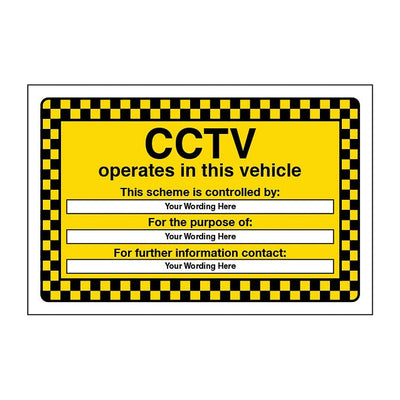
Pick portrait for doors and posts, landscape for fences and walls. For car parks and open sites choose a bigger size, since people read from a car or from further back. A 5 pack is handy if there are several entrances. Some signs include a line for who controls the scheme, so check the wording suits your set up. Signs do not replace your data protection duties or your risk assessment, and they should only be displayed where cameras are in use.
CCTV signs and the law
If you operate CCTV that captures images of people, UK GDPR and the Data Protection Act 2018 require you to tell them. The Information Commissioner's Office expects clear signs that recording is in operation, who is responsible for the system and how to contact them.
Where to put them
- At entrances to the area covered by cameras.
- At car park entrances and gates.
- At tills and service counters in shops.
Choose a sign with space for your organisation name and contact details if the operator is not obvious.
CCTV signs buying guide
What a sign should say
ICO guidance says signs should be clearly visible and readable, and tell people that CCTV is in operation. Where it is not obvious, they should also say which organisation runs the system, why it is used, such as preventing crime, and who to contact. If the system records sound, say so on the sign.
Size and position
Put a sign at the entrance to every monitored area, and more inside where people may enter by another route. Fix them at eye level, or where drivers will see them as they approach, such as at a car park barrier. For viewing distance, a long-standing rule of thumb is that a sign's area in square metres should be at least the distance in metres, squared, divided by 2000, so a sign read from 10 metres needs about 225 x 225 mm.
Homes and small businesses
If a camera captures areas beyond your own property, such as the street or a neighbour's land, data protection law can apply to you. A clear sign is part of showing you have thought about it. Check the ICO guidance for your situation.
Do I need to pay the ICO data protection fee?
Many organisations that use CCTV do. The ICO has a short self-assessment to check whether you are exempt.
Related ranges
See our car park signs and no parking signs if you are signing an entrance or a yard.