
Warning Signs
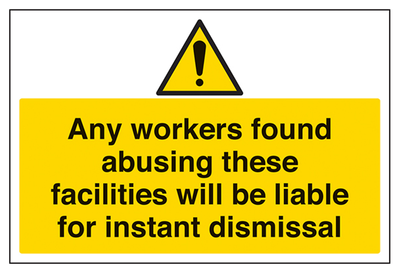
Warning signs alert people to a hazard that remains after other controls are in place. In the standard format they use a yellow triangle with a black symbol, and this range also includes written caution and danger notices,...
Read the buying guide


£2.04 ex VAT

£2.46 ex VAT

£2.83 ex VAT

£7.63 ex VAT

£7.63 ex VAT

£7.63 ex VAT

£7.63 ex VAT

£7.63 ex VAT

£7.63 ex VAT

£7.63 ex VAT

£2.04 ex VAT

£2.46 ex VAT

£7.63 ex VAT
£5.35 ex VAT

£7.63 ex VAT

£2.46 ex VAT

£2.89 ex VAT

£7.63 ex VAT

£7.63 ex VAT

£7.63 ex VAT

£2.46 ex VAT

£7.63 ex VAT

£7.63 ex VAT
£7.63 ex VAT
£7.63 ex VAT

£10.42 ex VAT

£9.53 ex VAT

£17.86 ex VAT

£4.18 ex VAT
£9.53 ex VAT

£7.75 ex VAT

£9.53 ex VAT

£10.42 ex VAT
£7.75 ex VAT

£4.18 ex VAT
£10.42 ex VAT

£9.53 ex VAT

£17.86 ex VAT

£10.42 ex VAT

£9.53 ex VAT

£10.42 ex VAT

£7.75 ex VAT

£10.42 ex VAT

£10.42 ex VAT

£7.75 ex VAT

£10.42 ex VAT
£10.42 ex VAT
£10.42 ex VAT
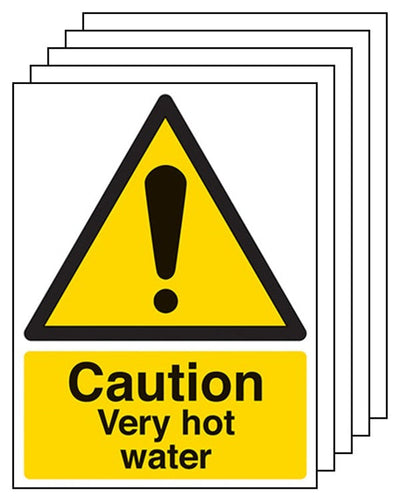
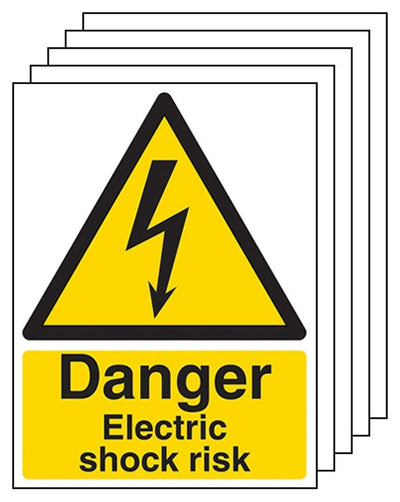
Warning signs alert people to a hazard that remains after other controls are in place. In the standard format they use a yellow triangle with a black symbol, and this range also includes written caution and danger notices, CCTV and video recording signs, and many workplace and public hazards, in single signs and 5 packs.
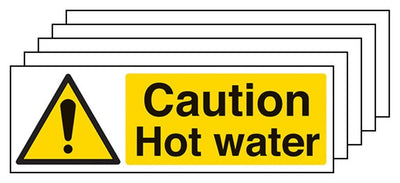
The collection is large, so start with the hazard. Common hazards covered include hot water and surfaces, mind the step, slip and trip risks, fork lift trucks, electric shock and high voltage, fragile roofs, falling objects and climbing hazards, plus the more specific collections for fire, chemicals and machinery.
Choose between symbol and text depending on who will read it. A symbol works across languages, while words can add detail such as what to do. Portrait suits doors and posts, landscape suits walls and fences, and square fits equipment. Select a size by how far away the sign must be read. Larger sizes suit open spaces, and smaller ones suit equipment and doors.
Under the Health and Safety (Safety Signs and Signals) Regulations 1996, signs are needed where a risk remains after other measures. Signs support, but do not replace, a risk assessment, and they should be placed where the hazard can be seen before someone reaches it.
When to use a warning sign
Warning signs alert people to a hazard that remains after other controls are in place. Under the Health and Safety (Safety Signs and Signals) Regulations 1996 they are yellow triangles with a black border and black symbol, often with supporting text such as Danger or Caution.
Common warning signs
- Electrical hazard signs on panels, switchgear and plant rooms.
- Slippery surface and wet floor warnings.
- Forklift truck warnings where pedestrians and vehicles share space.
- Chemical and COSHH hazard signs on stores and work areas.
- Overhead hazard, trip hazard and hot surface warnings.
Placement
Put warning signs where people will see them before they reach the hazard, not at the hazard itself. Keep wording short and specific, and remove signs when the hazard is no longer present so that warnings keep their impact.