
Construction Site Signs
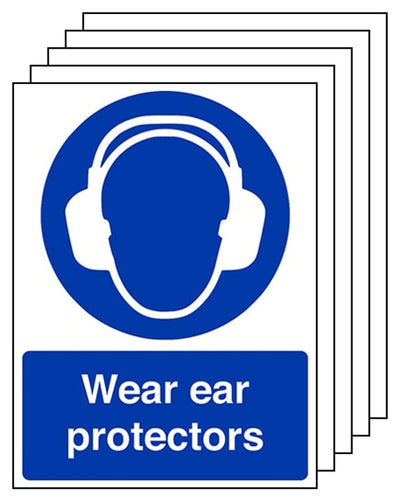
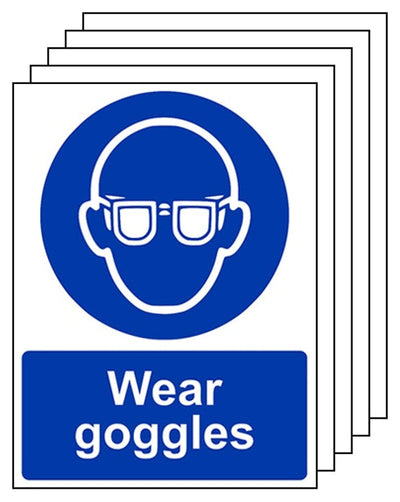
Construction site signs cover the notices needed to run a site, from the gate to the compound. The collection includes mandatory PPE signs such as High Vis Must Be Worn, Wear Goggles and Wear Ear Protectors, access and...
Read the buying guide


£2.89 ex VAT

£2.89 ex VAT

£2.89 ex VAT

£2.89 ex VAT

£7.63 ex VAT
£7.63 ex VAT
£7.63 ex VAT
£2.89 ex VAT
£2.89 ex VAT
£2.89 ex VAT
£2.89 ex VAT
£2.89 ex VAT

£7.63 ex VAT

£2.89 ex VAT

£7.63 ex VAT

£7.63 ex VAT

£7.63 ex VAT
£7.63 ex VAT

£2.89 ex VAT
£7.63 ex VAT

£7.63 ex VAT
£7.63 ex VAT

£7.63 ex VAT
£5.35 ex VAT

£7.63 ex VAT
£7.63 ex VAT
£7.63 ex VAT
£7.63 ex VAT

£7.63 ex VAT

£2.46 ex VAT

£7.63 ex VAT

£7.63 ex VAT

£2.46 ex VAT
£2.89 ex VAT

£2.46 ex VAT

£2.04 ex VAT

£7.63 ex VAT

£2.89 ex VAT
£7.63 ex VAT
£7.63 ex VAT

£7.63 ex VAT

£7.63 ex VAT

£7.63 ex VAT

£2.46 ex VAT

£7.63 ex VAT

£10.42 ex VAT
£10.42 ex VAT
£10.42 ex VAT
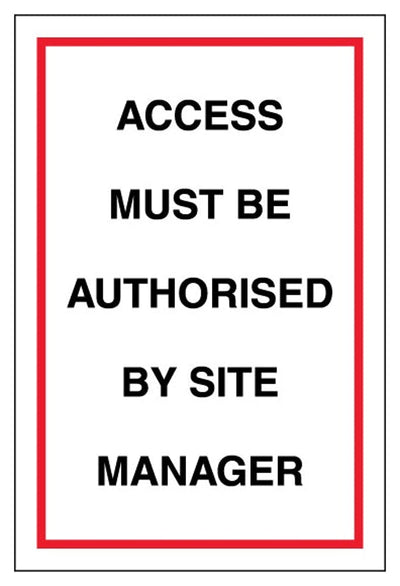
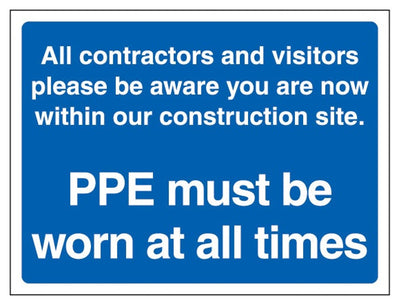
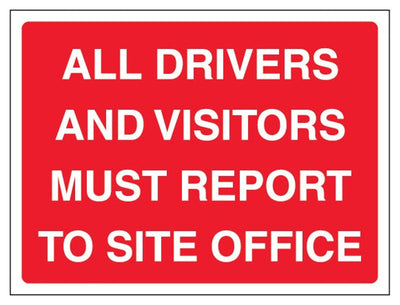
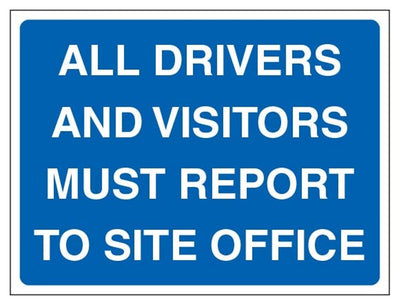
Construction site signs cover the notices needed to run a site, from the gate to the compound. The collection includes mandatory PPE signs such as High Vis Must Be Worn, Wear Goggles and Wear Ear Protectors, access and authorisation notices, active waste signs, driver and visitor reporting signs and site parking signs.
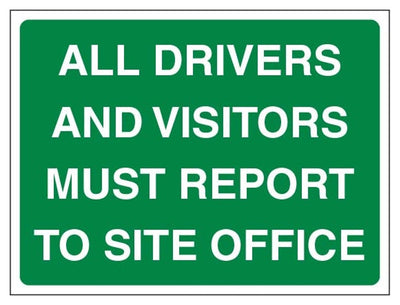
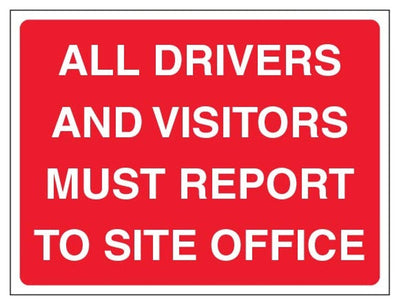
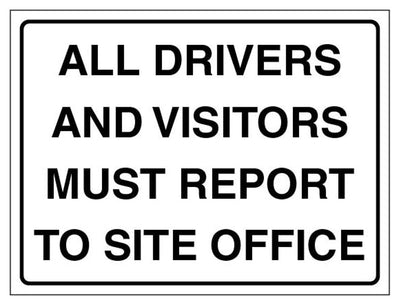
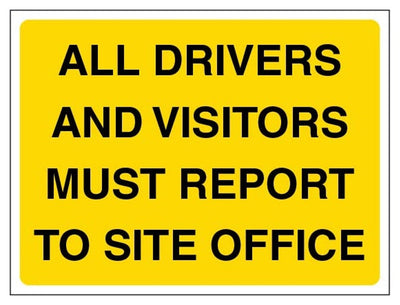
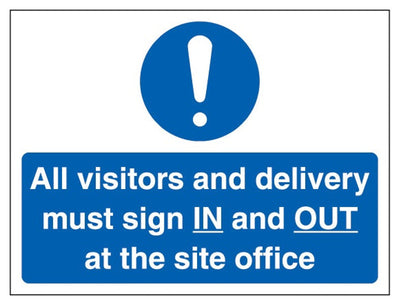
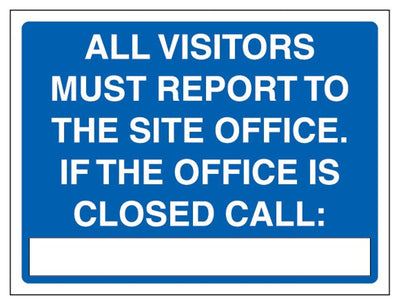
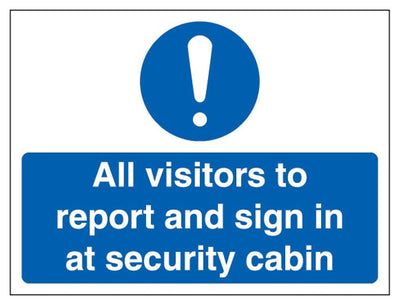
Site managers use them at entrances, along haul roads, on hoarding and at the site office. Visitor and driver signs are often the first thing a delivery driver reads, so they need to be clear and large.
Choose large landscape signs for the main gate and for fences, where the sign is read from a vehicle or from a distance. Portrait and smaller signs suit cabin doors and work zones. Blue circle signs give instructions, red circle and bar signs ban an action, and yellow triangles warn of a hazard. Many signs come in a 5 pack, which suits a site with several entrances or work areas. Because site conditions change, order extras. Signs support your risk assessment and do not replace it.
Construction site signage
The Construction (Design and Management) Regulations 2015 require sites to be organised so work can be carried out safely, with hazards communicated and unauthorised access prevented. Clear signage at the gate and throughout the site is one of the simplest ways to show visitors and workers the rules.
What most sites need
- Site entrance signs listing PPE requirements and reporting to the site office.
- PPE signs: hard hats, boots, hi-vis and eye protection.
- Hazard warnings: deep excavations, overhead work, fragile roofs.
- Site traffic signs: speed limits, pedestrian routes, reversing vehicles.
- Security signs: no unauthorised access and CCTV in operation.
Our construction starter pack covers the essentials for a new site.
Construction site signs buying guide
Start at the gate
Visitors and workers decide what to do from the first signs they see. Put the entrance sign, PPE requirements, a report-to-the-office message and a no unauthorised access sign at every point of entry. Check your principal contractor's site rules for anything specific they require.
Then sign the hazards while they exist
Place hazard signs at the hazard itself: edge protection, excavations, overhead work, plant crossing points. Take signs down or move them when the hazard goes or changes. A sign for a hazard that is no longer there teaches people to ignore signs.
Size and viewing distance
Perimeter and gate signs are read from further away, often by drivers, so size them up. A long-standing rule of thumb in European safety sign guidance is that a sign's area in square metres should be at least the viewing distance in metres, squared, divided by 2000. For 20 metres that is 0.2 square metres, roughly 450 x 450 mm.
Use the right sign for the message
- Blue circles for things people must do, such as wear a hard hat.
- Red circles with a bar for things people must not do.
- Yellow triangles for hazards.
- Green signs for first aid, exits and safe routes.
Who is responsible for site signs?
On most sites the principal contractor controls the site and its rules, and each contractor is responsible for its own work areas. Agree who looks after the signs at the start of the job.