
Fire Action Notices
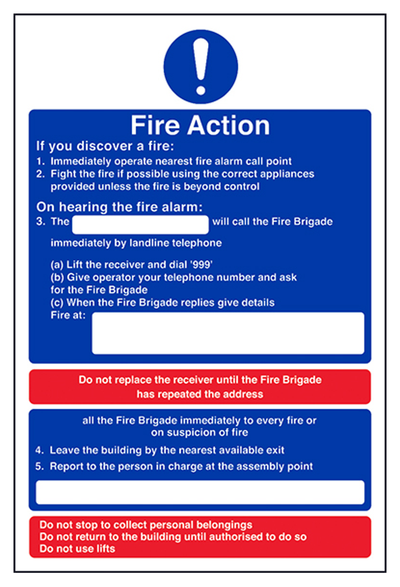
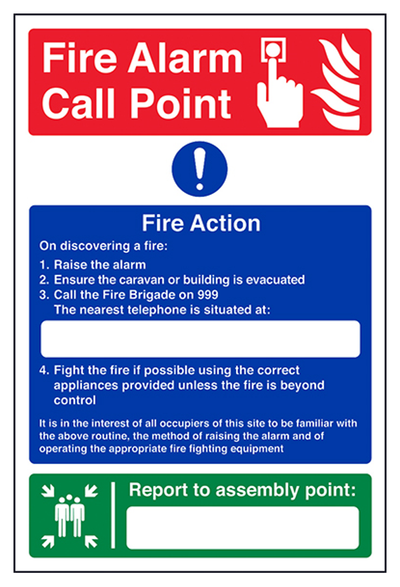
Fire action notices set out what to do on discovering a fire or hearing the alarm. This collection includes 3, 4, 5 and 6 point notices, with variations such as do not use lifts, do not take risks...
Read the buying guide


£2.89 ex VAT

£2.31 ex VAT

£2.31 ex VAT

£2.31 ex VAT

£2.31 ex VAT

£2.31 ex VAT

£2.31 ex VAT

£2.89 ex VAT

£2.89 ex VAT

£2.31 ex VAT

£2.89 ex VAT

£2.89 ex VAT

£2.31 ex VAT
£2.89 ex VAT

£2.31 ex VAT

£2.89 ex VAT

£2.89 ex VAT

£2.31 ex VAT
£2.89 ex VAT

£2.89 ex VAT

£2.89 ex VAT

£2.89 ex VAT

£2.89 ex VAT

£4.28 ex VAT

£2.89 ex VAT

£2.89 ex VAT

£2.31 ex VAT

£8.34 ex VAT

£8.34 ex VAT

£8.34 ex VAT

£8.34 ex VAT

£10.42 ex VAT
Fire action notices set out what to do on discovering a fire or hearing the alarm. This collection includes 3, 4, 5 and 6 point notices, with variations such as do not use lifts, do not take risks and operate nearest fire alarm.
Most workplaces and public buildings display one at each fire point, near the alarm call point and at exits. The numbered points tell people to raise the alarm, leave by the nearest exit and go to the assembly point, in an order they can follow under stress.
Choose the wording that matches your own fire procedure. The sizes listed let you pick one big enough to read from the stair or corridor where it hangs. Some are sold as a 5 pack for multi floor buildings. Notices support your fire risk assessment and do not replace it.
Why fire action notices matter
The Regulatory Reform (Fire Safety) Order 2005 requires employers to give employees clear information about fire procedures. A fire action notice puts those instructions where people need them: what to do on discovering a fire, how to raise the alarm, where to go and what not to do, such as using lifts or stopping to collect belongings.
Where to put them
- Beside every manual fire alarm call point.
- Near final exit doors and on escape routes.
- In reception areas and other places visitors pass through.
- In staff rooms and plant rooms where people work alone.
Choosing the right notice
Pick a notice that matches your procedure, for example one that names the assembly point or tells people to dial 999. Many premises use the same notice throughout so the message is consistent. Combine fire action notices with fire exit signs and fire assembly point signs so the whole route is covered.
Fire action notice buying guide
Match the notice to your procedure
There is no single legally prescribed wording. The notice should reflect the fire procedure set out in your fire risk assessment, so read the wording against your own plan before you order.
Check these points
- Does it say how to raise the alarm and call the fire service?
- Does it name your assembly point, or leave room to?
- Does it tell people not to use lifts?
- Does it suit your building? Some residential blocks use a stay put strategy, others evacuate, so follow the fire strategy for yours.
Size and position
Notices are read close up, so A4 beside a call point is typical. Mount at eye level where someone standing at the alarm can read it without moving.
When should I replace them?
Whenever your procedure changes, for example a new assembly point or a change of responsible person details. An out of date notice is worse than none.