
Fire Extinguisher Signs
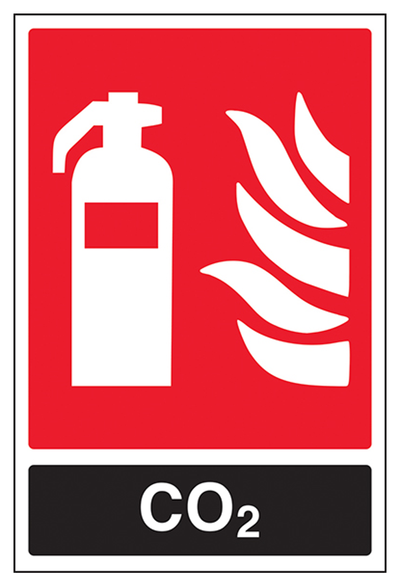
Fire extinguisher signs identify the type of extinguisher on a wall or stand, so people pick the right one. The range covers CO2, water, foam spray, AFF foam, powder and BC powder extinguisher signs, in portrait and landscape....
Read the buying guide


£1.24 ex VAT

£2.04 ex VAT

£1.24 ex VAT

£2.04 ex VAT

£1.24 ex VAT

£2.04 ex VAT

£1.24 ex VAT

£2.04 ex VAT

£5.72 ex VAT

£5.72 ex VAT

£2.04 ex VAT

£1.24 ex VAT

£1.24 ex VAT

£2.04 ex VAT

£1.24 ex VAT

£2.04 ex VAT

£2.04 ex VAT
£2.04 ex VAT

£2.04 ex VAT

£2.04 ex VAT

£2.04 ex VAT

£2.04 ex VAT

£1.24 ex VAT

£2.04 ex VAT

£1.24 ex VAT

£2.04 ex VAT

£1.24 ex VAT

£2.04 ex VAT

£1.24 ex VAT

£2.04 ex VAT

£1.24 ex VAT

£2.04 ex VAT

£1.24 ex VAT

£2.04 ex VAT

£7.63 ex VAT

£1.24 ex VAT

£2.04 ex VAT

£1.24 ex VAT

£2.04 ex VAT

£1.24 ex VAT

£2.04 ex VAT

£1.24 ex VAT

£4.18 ex VAT

£4.18 ex VAT

£4.18 ex VAT

£4.18 ex VAT

£4.18 ex VAT

£4.18 ex VAT
Fire extinguisher signs identify the type of extinguisher on a wall or stand, so people pick the right one. The range covers CO2, water, foam spray, AFF foam, powder and BC powder extinguisher signs, in portrait and landscape.
They are red, the colour for fire equipment, and combine a symbol with a label for the extinguishing agent. Fit them above the extinguisher at a height that can be seen from across the room, not just at close range.
Match each sign to the extinguisher it sits above. Mixed up signs lead to the wrong choice in an emergency. Choose landscape for wide walls and portrait for narrow columns. In offices, workshops, kitchens, schools and warehouses you may need several types, and a 5 pack suits a site with many points. Signs support your fire risk assessment and do not replace it.
Why extinguishers need signs
Using the wrong extinguisher can make a fire worse. An identification sign above each extinguisher tells people at a glance which fires it is safe to use on. The Regulatory Reform (Fire Safety) Order 2005 requires firefighting equipment to be indicated by signs, and fire safety guidance recommends an identification sign for every extinguisher.
Colour codes
- Red: water, for wood, paper and textiles.
- Cream: foam, for solids and flammable liquids.
- Black: CO2, for electrical equipment.
- Blue: dry powder, for mixed fire risks and flammable gases.
- Yellow: wet chemical, for cooking oil and fat fires.
Placement
Fit the sign on the wall directly above the extinguisher so it stays visible if the extinguisher is removed. Where several extinguishers sit together, use a multi-extinguisher sign. Pair them with fire equipment location signs where extinguishers are not in plain sight.
Fire extinguisher signs buying guide
Two kinds of sign
- Identification signs show the type of extinguisher and what it is for. They go directly above the extinguisher.
- Location signs use the fire extinguisher pictogram, often with an arrow, to point people to one that is out of sight, for example round a corner or behind a door.
Match the sign to the extinguisher
The sign must describe the extinguisher actually on the wall. If you swap a water extinguisher for a CO2 one, replace the sign at the same time. Your fire risk assessment, or the company that services your extinguishers, will tell you which types you need and where.
Common mistakes
- Fixing the sign to the extinguisher instead of the wall behind it.
- Leaving a sign for an extinguisher that has been moved or removed.
- Using one generic sign where several different types are mounted together.
Do I need a sign for every extinguisher?
Guidance recommends an identification sign for each one, so people know its type before they pick it up. Combine with other fire safety signs to cover the whole route.