
Fire Assembly Point Signs
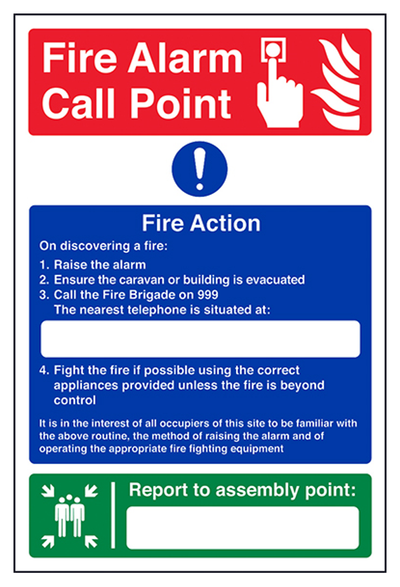
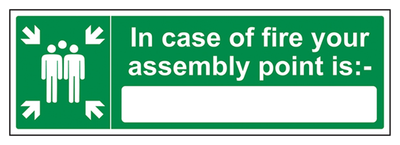
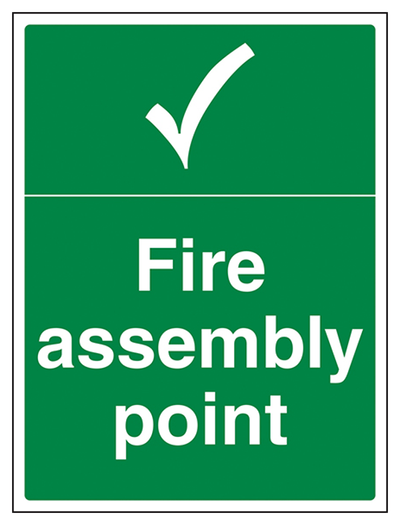
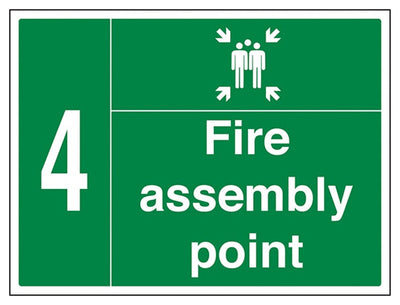
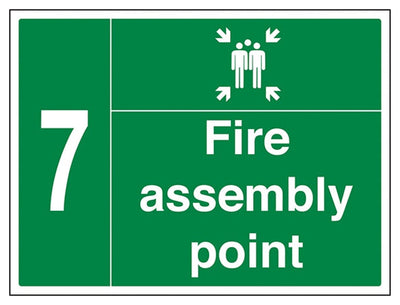
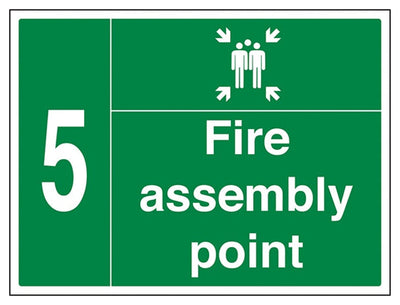
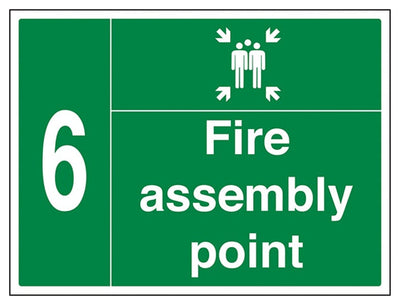
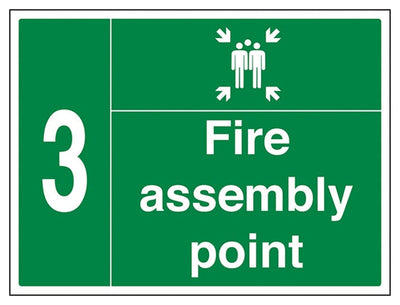
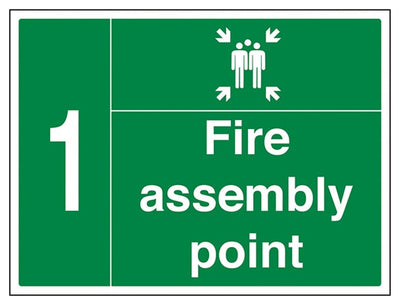
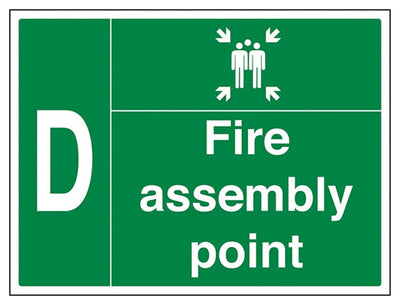
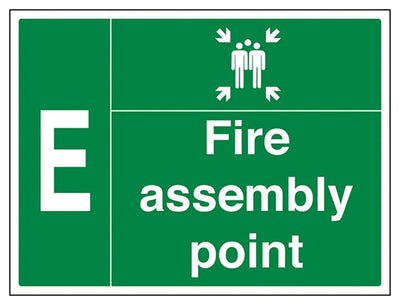
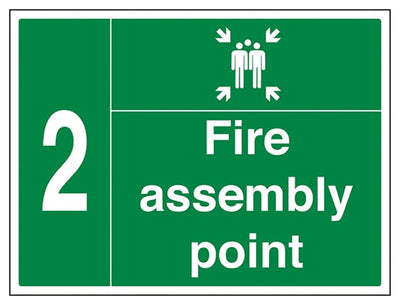
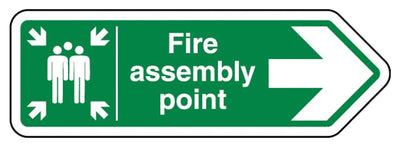
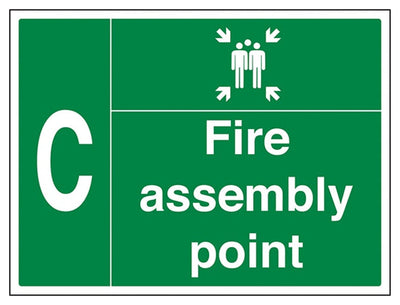
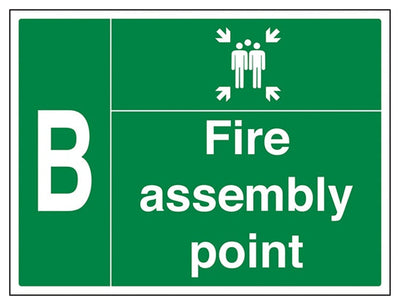
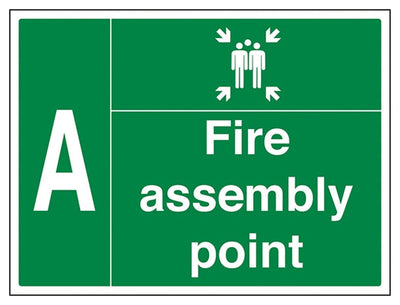
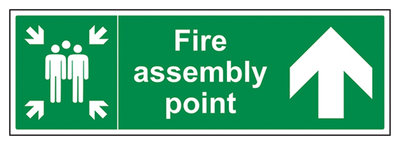
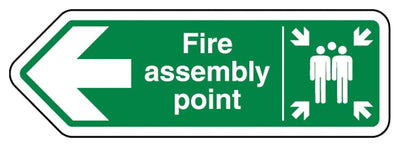
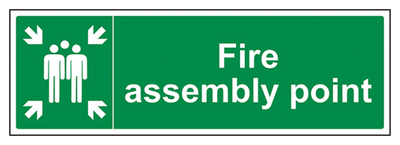
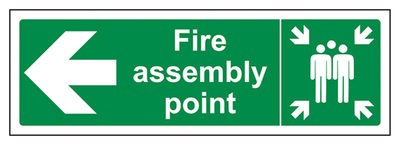
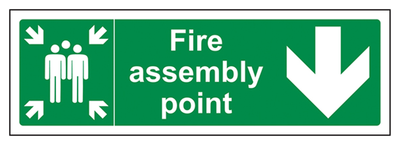
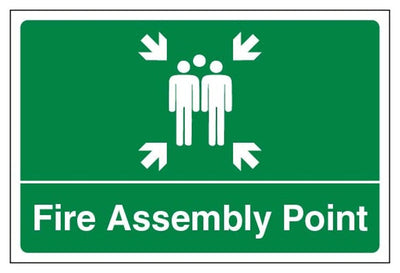
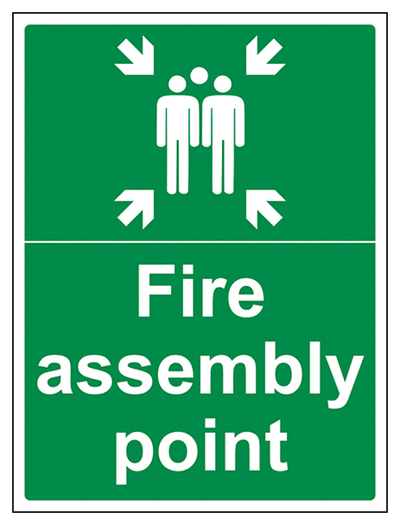
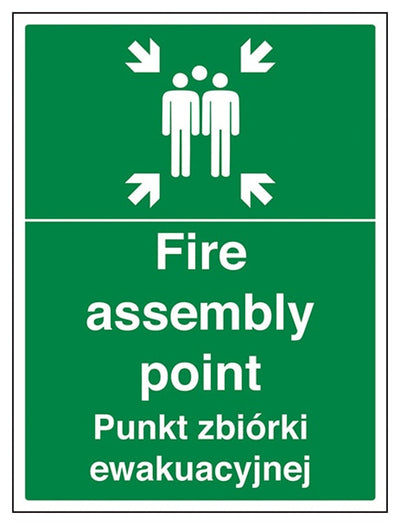
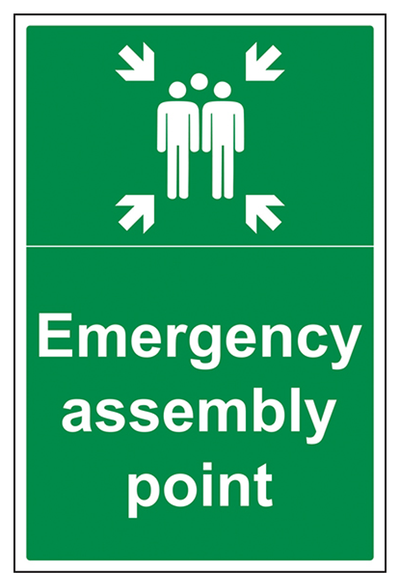
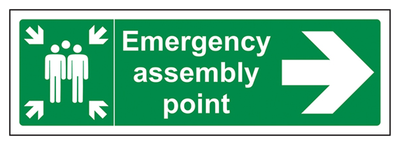
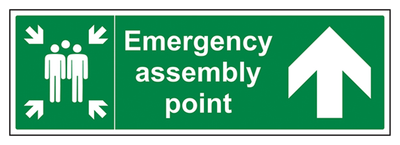
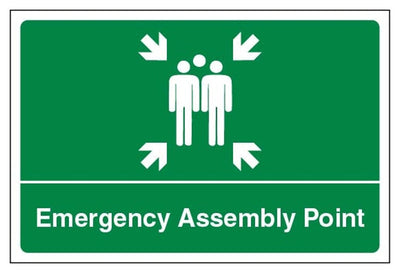
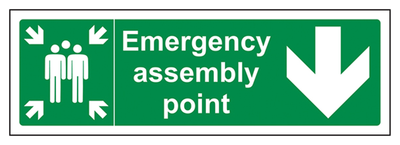
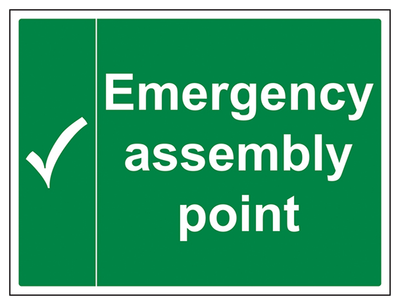
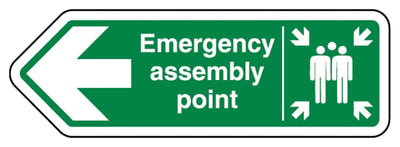
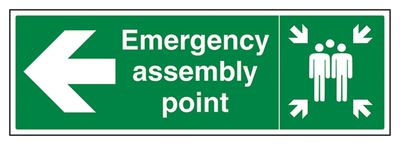
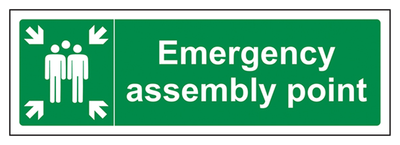
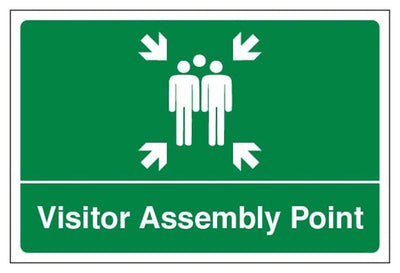
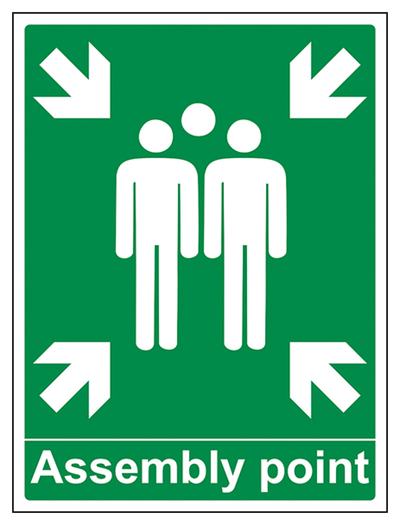
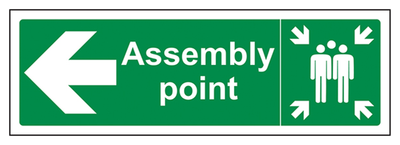
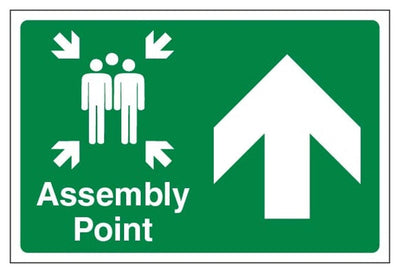
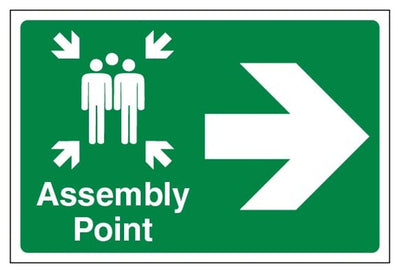
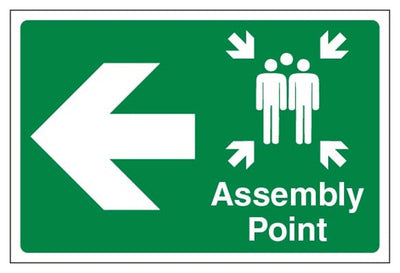
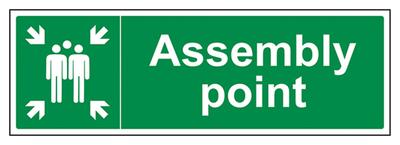
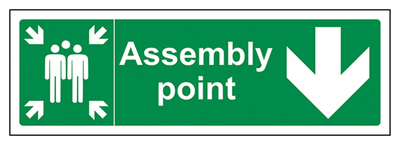
Fire assembly point signs mark the place where everyone gathers and is counted after leaving a building. Choose a numbered sign for each point, and arrow signs to lead people there.


£2.89 ex VAT
£2.46 ex VAT
£2.89 ex VAT
£7.63 ex VAT
£7.63 ex VAT
£7.63 ex VAT
£7.63 ex VAT
£7.63 ex VAT
£7.63 ex VAT
£7.63 ex VAT
£7.63 ex VAT
£7.63 ex VAT
£2.83 ex VAT
£7.63 ex VAT
£7.63 ex VAT

£2.89 ex VAT
£7.63 ex VAT
£2.46 ex VAT

£2.46 ex VAT
£2.83 ex VAT
£2.46 ex VAT
£2.46 ex VAT
£2.46 ex VAT
£7.63 ex VAT
£2.89 ex VAT

£2.89 ex VAT

£2.89 ex VAT
£7.63 ex VAT
£2.89 ex VAT

£2.83 ex VAT
£2.46 ex VAT
£2.46 ex VAT
£7.63 ex VAT
£2.46 ex VAT
£2.89 ex VAT
£2.83 ex VAT
£2.46 ex VAT
£2.46 ex VAT
£7.63 ex VAT
£2.89 ex VAT
£2.46 ex VAT
£7.63 ex VAT
£7.63 ex VAT
£2.46 ex VAT
£2.46 ex VAT
£7.63 ex VAT
£2.46 ex VAT
£2.46 ex VAT
What a fire assembly point is for
An assembly point is the place outside a building where everyone gathers after evacuating, so they can be counted and kept clear of the fire and the emergency services. The Regulatory Reform (Fire Safety) Order 2005 requires the responsible person to have emergency procedures, and your fire risk assessment should say where your assembly point is. A sign at the point, and signs on the way to it, make the plan work when people are under stress.
Fire assembly point signs buying guide
Choosing the location
- Far enough from the building to be clear of smoke and anything that might fall from it.
- Away from the routes fire engines will use, and from busy roads and car park traffic.
- Big enough for everyone likely to be on site, including visitors.
- Reachable by wheelchair users and others who may need more help.
Larger sites often need more than one point. Number or letter them so each group knows where to go, and use the matching numbered sign at each one.
Which signs do you need?
- At the point: a clear fire assembly point sign, in a position that can be seen from the building exits.
- On the way: arrow signs where people leave the building and at any turn on the route.
- Inside: a fire action notice that names the assembly point, beside each alarm call point and exit.
Size and position
Assembly point signs are read from a distance, so size them up. A long-standing rule of thumb in European safety sign guidance is that a sign's area in square metres should be at least the viewing distance in metres, squared, divided by 2000. A sign read from 20 metres needs about 450 x 450 mm. Fix it on a wall, post or fence at eye level, facing the building exits.
Assembly points are normally outside. Our signs are printed on self adhesive vinyl for clean, smooth surfaces, so contact us about your position before you order for an exposed outdoor spot.
Common mistakes
- Putting the sign on a wall that cannot be seen from the exits.
- Choosing a point next to a car park entrance or loading bay.
- Telling staff about the assembly point but not visitors. Name it on your fire action notices.
- Not updating the sign when the site layout changes.
How many assembly points do I need?
It depends on the size of the premises and how many people use them. Your fire risk assessment should set this out. Small premises often need one, and large or multi-building sites need several.
Who decides where the assembly point goes?
The responsible person for the premises, based on the fire risk assessment. If you share a building, agree the point with the other occupiers and the landlord or managing agent.
Related ranges
See our fire exit signs to mark the route out, and all fire safety signs for the rest of the set.